What to Expect When You Hire a Local Team for a Full Roof Replacement
You finally pulled the trigger. The shingles have been curling for two summers, you found a soft spot on the ceiling after the last storm, and you stopped trusting the patch jobs months ago. Now a date is on the calendar for a full roof replacement, and a quiet question is sitting in the back of your mind: what actually happens once we show up?
Here is the short version. A roof replacement done right is a sequence, not a single day of hammering. We tear off the old system down to the wood, inspect what most homeowners never see, rebuild it layer by layer, and leave your yard cleaner than we found it. After putting on hundreds of roofs through hot, storm heavy Alabama summers, the homeowners who feel calm are simply the ones who know the steps before they start. So let us walk you through every one.
The First Step of a Full Roof Replacement: An Honest Inspection
Everything good starts with a real look at your roof, not a glance from the driveway. Before we plan a single shingle, we walk the surface, check the attic, and read the story the roof is telling. Dark streaks usually mean algae feeding on the limestone in your shingles, a common sight in our humid climate. Soft or spongy spots underfoot point to decking that has taken on moisture. Rusted or lifted flashing around chimneys and valleys is where most leaks actually begin, not in the open field of the roof.
We measure the pitch, count the layers already up there, and study the ventilation in your attic. A roof that was never vented properly bakes shingles from underneath and shortens shingle life by years. Knowing all of this before we start means no surprises halfway through, and the plan we hand you matches the roof you actually have.
Choosing Materials Built for Birmingham Weather
The material you pick has to survive Alabama, not a catalog. Our summers run long, hot, and humid, with afternoon storms that arrive fast and hit hard. That combination is rough on a roof. Strong sun breaks down cheaper shingles from the top while poor attic airflow cooks them from below.
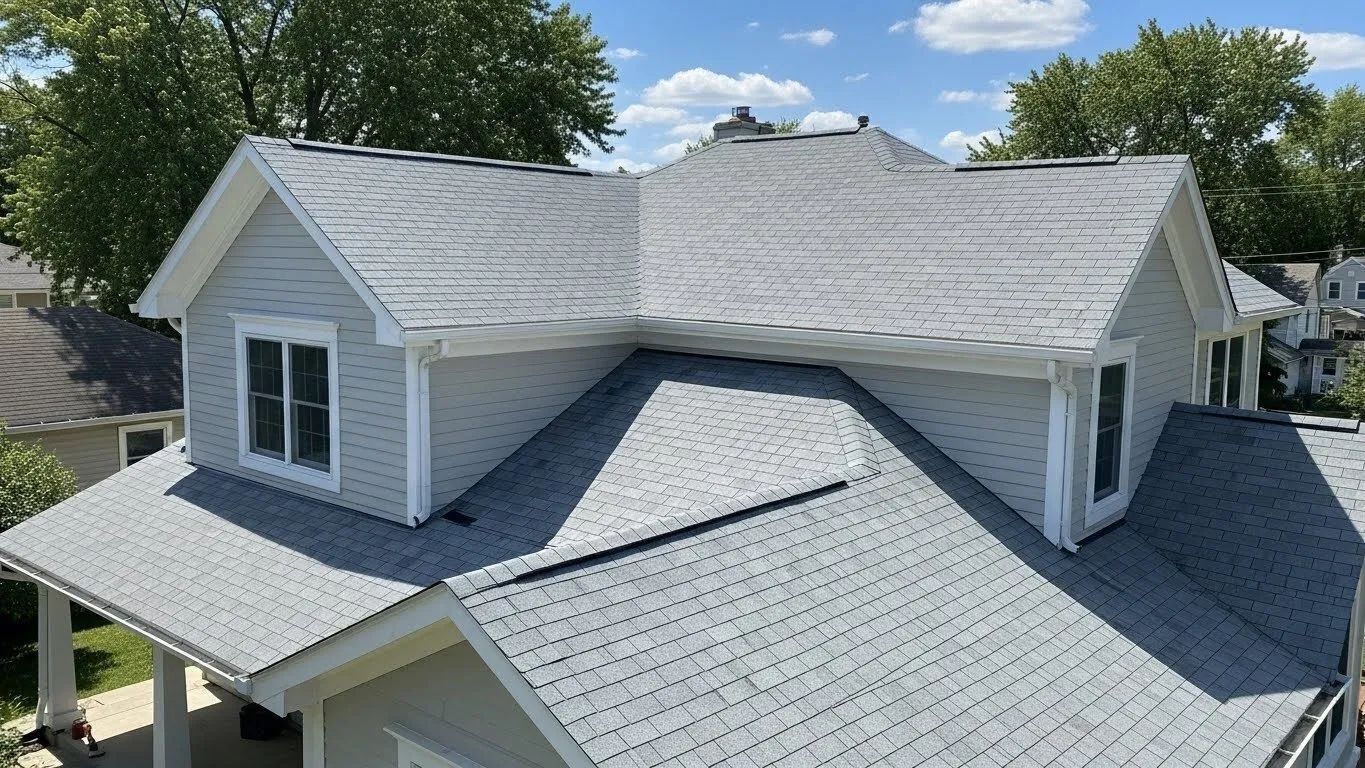
For most homes here we lean toward architectural asphalt shingles rated to handle high wind and backed by long warranties, often 25 to 30 years of expected life. These lie flatter, resist lifting in gusts, and shrug off the hail that rolls through during spring storm season far better than thin three tab shingles. If your home sees heavy shade and constant moisture, we will talk with you about algae resistant options so those black streaks stay away longer. The right choice depends on your roof and how long you plan to stay, and we will lay out the honest trade offs.
Getting Your Home Ready Before We Arrive
A little prep on your end makes the whole job smoother. Park your cars out of the driveway and away from the house, because we will have a debris trailer and our crew vehicles taking up space, and falling material can ding a windshield. Move grills, patio furniture, and potted plants away from the walls so nothing gets covered in dust or torn shingles.
Inside, the vibration travels. Take anything fragile off the walls and shelves, especially on the top floor, since steady hammering shakes the structure for a few hours at a time. If you work from home, plan for real noise from early morning until midafternoon. Pets feel it too, so a quiet room or a day with a friend keeps them calm. Doing it the night before means we can start the moment we arrive instead of waiting on you.
Tear Off Day and What We Find Underneath
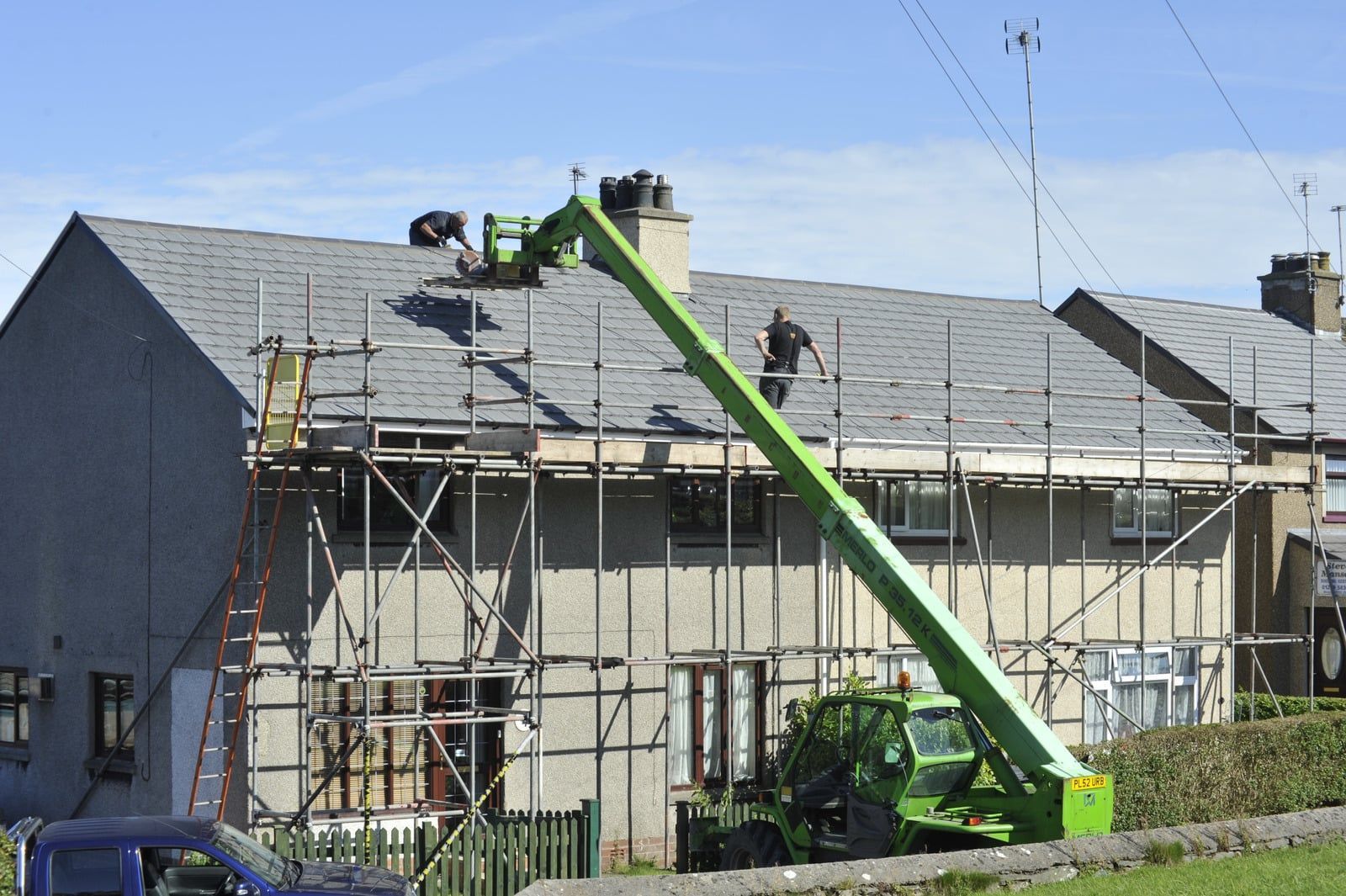
Tear off is the loudest and most dramatic part, and it usually happens first thing in the morning. We strip the old shingles, underlayment, and flashing all the way down to the wood deck. Watching your roof disappear can feel alarming, but this is the only way to see what has been hiding for years.
This is where roofs surprise people. Once the old layers come off, we frequently find decking that is soft, stained, or rotted from slow leaks you never knew about, often around valleys, chimneys, and low slope sections where water sits longest. In our wet climate, that kind of hidden moisture damage is common rather than rare. Any board that has lost its strength gets replaced before anything new goes down, because fresh shingles over weak wood will sag, leak, and fail early. We will show you what we find and explain it before we cover it back up.
Putting the New Roof On the Right Way
A roof is a system, and skipping a layer is how leaks start. Once the deck is solid, we build it back from the bottom up. A drip edge goes on first to guide water off the edges and away from the fascia. Along the eaves and in the valleys we install a waterproof membrane that seals around every nail, your strongest defense against the wind driven rain our spring storms are known for.
Next comes the underlayment across the whole deck, then the shingles, set in straight courses and nailed to spec so they hold in high wind. Flashing gets renewed around every chimney, vent, and wall, since old reused flashing is one of the most common leak points we see. Finally, we set the ridge vents and cap, which let hot attic air escape all summer and keep the whole roof breathing. Done in this order, every layer backs up the one beneath it.
Cleanup, the Final Walk, and Your Timeline
The job is not finished until your yard looks like we were never there. We tarp the ground as we go, and at the end we run magnetic rollers across the lawn, driveway, and flower beds to pull up stray nails that could end up in a tire or a bare foot. Loose shingles, wrappers, and old flashing all leave with us.
Then we walk the roof one more time and invite you to look it over with us, so any question gets answered while we are still standing in your driveway. Most homes are done in two to four days, depending on size, pitch, and the weather. Pop up storms are the usual reason for a pause, and we would rather wait out a Birmingham downpour than rush shingles onto a wet deck. A roof installed dry and clean is a roof that lasts, and that is the only kind we leave behind.
Frequently Asked Questions
How long does a full roof replacement take?
Most homes are finished in two to four days, though steep or large roofs can run longer. Size, pitch, the amount of rotted decking we uncover once the old layers come off, and Birmingham's pop up storms all affect the pace. We never rush a wet deck, since trapped moisture quietly shortens the life of new shingles and can invite leaks down the road later.
Can I stay home while you work?
Yes, most homeowners stay home throughout the entire project without any trouble. Expect heavy noise and steady vibration from early morning until midafternoon, plus our vehicles and a debris trailer parked in the driveway. Keep pets in a quiet room toward the back of the house, move your cars well clear, and you will stay comfortable through even the loudest stretches of each work day.
Is it safe to go in my attic during the job?
Stay out of the attic during tear off and active installation. Falling debris, exposed nails poking through the deck, and the constant pounding overhead make it a genuinely risky place to be while we work. Once the new roof is fully installed, the area is swept, and we have cleared our equipment out, your attic is completely safe to enter and use as normal again.
Does Birmingham weather really shorten a roof's life?
It absolutely does. Our long humid summers, intense direct sun, and the frequent hail and high wind that spring storms bring all wear shingles down faster here than in milder parts of the country. Choosing wind-rated, algae-resistant shingles, keeping your attic well vented, and clearing debris after every big storm together buys you several extra years of strong and reliable protection up top.
How do I know I need a full replacement, not a repair?
When shingles are curling or cupping across the whole roof, granules keep filling your gutters, leaks show up in more than one spot, or the roof has pushed past 20 years of age, a full replacement usually makes more sense than another patch. Spot repairs only buy a season or two on a roof that is already failing quietly across nearly every slope and section.
Skilled Roofing Professionals, You Can Actually Count On
A roof replacement is a sequence, and the homeowners who watch each layer go on are the ones who sleep easily when the next storm rolls in. In Birmingham, where humid summers and violent spring storms push roofs harder than almost anywhere, getting that sequence right is not optional. At Charitable Roofing, we have spent 15
years putting honest, weather-ready roofs over homes across Birmingham, Alabama. If a full
roof replacement
is on your horizon, reach out and we will walk your roof, show you what it needs, and give you a clear plan before a shingle comes off.