7 Signs Your Roof Won't Survive Another Alabama Storm Season
Quick Answer: A roof is unlikely to survive another Alabama storm season when you see widespread granule loss, curled or cracked shingles, soft or sagging decking, repeated leaks in different spots, daylight in the attic, damaged flashing, or a roof that has simply aged past its working life. One or two of these can often be repaired. Three or more, or any sign of a weakened deck, usually means the roof has stopped protecting the house reliably. Birmingham's hot humid summers, hail, high winds, and heavy rain wear shingles down faster than most homeowners expect, so a professional inspection before spring storms arrive is the safest way to know where your roof really stands.
The first big storm of the spring comes in after dark. The wind picks up, the rain turns sideways, and somewhere above the bedroom ceiling you hear a sound you can't place. A flutter, maybe. A scrape. By morning the yard is covered in small branches and the sky is clear, and you tell yourself the roof must have held up fine. Then you notice a handful of dark shingle pieces near the downspout.
That moment is when a lot of Birmingham homeowners start to wonder how much life their roof has left. It is a fair question, and the answer rarely shows up as one dramatic failure. Roofs usually tell you they are running out of time through a series of smaller signals, most of them easy to miss if you don't know what to look for. We have spent more than 15 years working on roofs across Jefferson County and the surrounding area, and the same seven signs come up again and again before a roof gives out. This guide walks through each one, explains what is happening underneath, and helps you decide whether you are looking at a repair or a replacement.
Why Alabama Storm Season Is Hard on a Roof
Central Alabama has a weather pattern that tests a roof from several directions across the year. Summers are hot and humid, which bakes shingles day after day and then cools them off with a sudden thunderstorm. That repeated heating and cooling makes asphalt shingles expand and contract until the material becomes brittle. Spring brings the main severe weather season, with strong thunderstorms, hail, and straight line winds. The Birmingham area also tends to see a second round of severe weather in late fall, so there is hardly a quiet stretch where a weakened roof gets a break. On top of that, the area typically receives more than 50 inches of rain in a year, which means water is almost always working on every seam, nail, and flashing joint you have.
A roof can look acceptable from the street while its protective layers are close to done. Shingles are only the visible surface. Underneath them sit the underlayment, the roof deck, the flashing, and the fasteners, and each of those has to hold for the roof to shed water. When one layer weakens, the others have to carry more of the load. That is why small problems tend to cascade after a hard storm, and why the signs below matter even when you haven't had a single leak yet.
The regional humidity that makes an Alabama summer feel heavy is the same humidity that keeps shingles from drying between storms. The higher and longer the moisture sits, the faster a small patch of algae becomes a roof full of streaks.
Humidity does the rest
Signs You Can Spot From the Yard
You don't need to climb a ladder for the first three signs. A pair of binoculars and ten minutes after a storm will tell you a lot. Please stay on the ground. Walking a wet or aging roof is how people get hurt, and it can also damage shingles that were still holding on.
Sign 1. Shingles That Are Curling, Cupping, Or Cracking
Healthy shingles lie flat and tight against the roof. When edges lift, curl upward, or crack, asphalt has dried and lost flexibility. In hot, humid climates, this often affects south and west facing slopes exposed to intense afternoon sun daily.
Sign 2. Bald Spots And Missing Granules
Mineral granules protect asphalt shingles from ultraviolet light, weather, and fire. As shingles age, granules loosen and collect in gutters or beneath downspouts. Steady buildup, or smooth dark patches, shows the protective surface is wearing away and asphalt is becoming exposed.
Sign 3. Missing, Lifted, Or Torn Shingles
After a storm, check for gaps, folded tabs, or shingles lying in the yard. One missing shingle usually needs repair. But repeated shingle loss during storms suggests sealant strips have failed broadly, making repairs increasingly frequent without addressing the underlying problem.
Tip: Take a few photos of your roof from the ground each spring and fall, from the same spots each time. Side by side comparisons make slow changes like curling, bare patches, and sagging much easier to see than memory ever will.
Signs That Show Up Inside Your Home
Some of the most reliable warnings are indoors, and they are the ones people tend to dismiss because they seem small. Water is patient. By the time it reaches a ceiling, it has usually been traveling through the roof system for a while.
Sign 4. Stains, Bubbling Paint, Or Moving Leaks
One ceiling stain may follow a single roofing incident. But stains in different rooms, recurring leaks, bubbling paint, peeling surfaces, or damp smells suggest multiple failure points. When leaks keep relocating, the roof itself may be failing rather than one isolated area.
Sign 5. Daylight, Dark Streaks, Or Damp Insulation
Check your attic with a flashlight on a bright afternoon. Daylight through the roof deck indicates holes or gaps. Dark water trails, rusty nails, wet insulation, or musty odors suggest moisture intrusion, which can cause mold, rot, and structural damage.
A Note On Sagging
A dipping ridge line or wavy roof section is more than cosmetic. It often indicates water-damaged decking or structural problems. Soft decking cannot hold fasteners securely, increasing wind damage risk. If you notice sagging, have the roof inspected before the next storm.
Warning: Do not go into an attic or onto a roof that shows sagging, soft spots, or active leaking. A weakened deck can give way under body weight. Have a licensed professional assess it from a safe position instead.
Signs From the Gutters and Edges
Sign 6. Flashing That Has Pulled Away, Rusted, Or Cracked
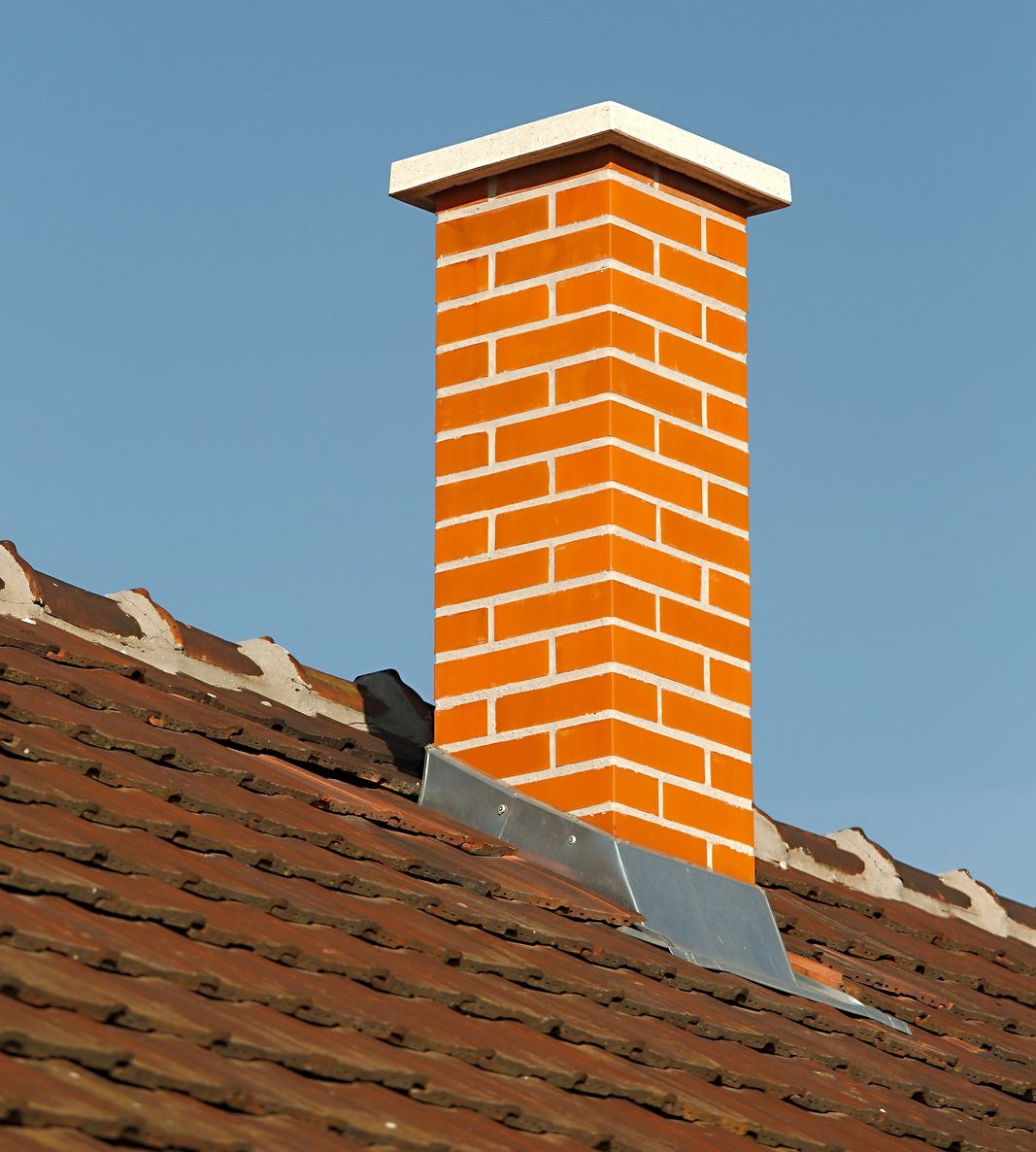
Flashing seals vulnerable roof joints around chimneys, walls, vents, and valleys. Check for gaps, rust, cracked caulk, or split rubber vent boots. Even healthy shingles cannot prevent leaks when flashing fails, especially during heavy Birmingham rain and severe weather.
Sign 7. A Roof That Is Simply Old
Age matters even when obvious damage is absent. Asphalt shingles typically last decades, but intense Alabama sun, humidity, storms, and poor attic ventilation shorten their lifespan. If installation dates are unknown, check records or ask previous owners before problems develop.
Gutters tell their own story here too. Sagging gutters, pulled away fascia boards, or algae stained and clogged runs can all point to water that isn't leaving the roof the way it should. Water that backs up at the edge of a roof can rot the wood underneath the first row of shingles, which is one of the quieter ways an otherwise decent roof starts to fail.
Stay on a maintenance rhythm
Regular inspections catch a returning colony while still a light haze rather than full streaks. A professional can spot shaded, slow-drying slopes most likely to regrow it, making prevention easier than starting over.
What Hail and Wind Do That You Can't See
Not every storm leaves obvious evidence. Hail can bruise shingles by knocking granules loose and cracking the mat beneath, and the damage may not show up as a leak for months. Wind can break the seal on shingles without lifting them off the roof, leaving them loose and ready to go in the next gust. After a bad storm, a roof can look fine from the ground and still carry hidden damage.
Bruising
A hail bruise is a soft spot where the shingle's reinforcing mat has been fractured. Over time, the spot wears through faster than the shingles around it, and the leak shows up long after the storm is forgotten.
Broken Seals
Shingles are held down by factory applied adhesive strips. High winds can break that seal, and once it is broken the shingle flaps with each gust until it creases or tears away.
That is why a post storm look from a roofer who knows what to check is worth having even when nothing looks wrong. A trained eye can see these quieter signs before water does.
Stay on a maintenance rhythm
Regular inspections catch a returning colony while still a light haze rather than full streaks. A professional can spot shaded, slow-drying slopes most likely to regrow it, making prevention easier than starting over.
How Many Signs Is Too Many
A single sign does not mean a new roof. Plenty of roofs with one or two problems can be repaired and keep doing their job for years. The question we help homeowners work through is whether the problems are isolated or spread out across the whole roof.
Isolated Problems Usually Point To Repair
A few missing shingles, one damaged flashing joint, or a single worn vent boot can often be repaired without replacing the roof. This works when surrounding shingles remain healthy and the underlying decking is still solid and structurally sound.
Widespread Problems Usually Point To Replacement
Curling across multiple slopes, heavy granule loss, recurring leaks, or softened decking usually means replacement is necessary. Patching cannot reliably solve widespread deterioration, and installing new shingles over weakened decking simply transfers problems to another vulnerable area.
Age Changes The Math
An older roof showing several warning signs may not justify repeated repair costs. If two or three problems appear together, repairs may provide only temporary relief. In those situations, replacement can address underlying deterioration and provide a longer-term solution.
We prefer to give you a clear picture and let you decide. Nobody on our team will push you toward a bigger job than your roof needs, and if a repair is all it takes, that is what we will say.
Stay on a maintenance rhythm
Regular inspections catch a returning colony while still a light haze rather than full streaks. A professional can spot shaded, slow-drying slopes most likely to regrow it, making prevention easier than starting over.
What a Professional Inspection Actually Covers
A real roof inspection goes well beyond a quick walk around the house. Inspectors look at the whole system, not just the shingles you can see.
The Surface
We check shingle condition across every slope, looking for curling, cracking, granule loss, bruising, and lifted tabs, and we note whether problems are clustered on the sunniest or most wind exposed sides.
The Seams
Flashing around chimneys, walls, skylights, and vents gets close attention, since these joints are where a leak usually starts. We also check valleys and the edges along the eaves and rakes.
The Structure
From the attic, we look at the underside of the deck for staining, soft wood, and daylight, and we check insulation and ventilation, because trapped heat and moisture shorten a roof's life.
The Drainage
Gutters, downspouts, and fascia are part of how a roof sheds water, so we look at whether they are attached, aligned, and flowing freely.
At the end you should come away with a plain explanation of what we found, photos of anything concerning, and a plain recommendation. If the roof has plenty of life left, we will tell you that too, and suggest simple maintenance such as clearing debris and cleaning algae so it keeps going.
Stay on a maintenance rhythm
Regular inspections catch a returning colony while still a light haze rather than full streaks. A professional can spot shaded, slow-drying slopes most likely to regrow it, making prevention easier than starting over.
Getting the Roof Ready Before the Next Storm
Timing is on your side if you act before severe weather arrives. Replacement or repair work is easier to schedule in a calm window than in the days after a storm, when many homeowners are calling at once. A few steps help whether you end up repairing or replacing.
Walk The Property After Every Major Storm
Inspect your property after major storms. Look for shingle debris, dented gutters, damaged flashing, and anything unusual from ground level.
Keep Trees Trimmed Back
Trim branches away from the roof. Overhanging limbs can scrape shingles during windy conditions and drop heavy debris during storms.
Clear Gutters And Downspouts
Keep gutters and downspouts clear of debris. Blockages hold water against roof edges, increasing moisture exposure and potential rot.
Don’t Ignore Small Leaks
Never dismiss a small leak or ceiling stain. Have it inspected promptly to identify the source before heavy rain worsens damage.
Get An Inspection That Fits Your Calendar
Schedule inspections before storm season or after severe weather. Regular checks provide time to identify damage, plan repairs, and prevent surprises.
Frequently Asked Questions
How do I know if my roof can last another storm season?
Look for curled or cracked shingles, heavy granule loss, repeated leaks, daylight in the attic, worn flashing, and sagging. Several signs, or any soft deck, mean the roof is near its end. An inspection confirms.
Can a roof look fine and still be failing?
Yes. Hail bruising, broken shingle seals, worn underlayment, and trapped moisture may not be visible from the yard. These problems often appear as leaks only after months of weather, so schedule inspections after major storms.
Is it better to repair or replace an aging roof?
It depends on the damage and the roof's age. Isolated problems on a sound roof can usually be repaired. Damage across multiple slopes, a soft deck, or several warning signs makes replacement much more reliable.
What time of year should I have my roof checked in Birmingham?
Late winter or early spring works well, leaving room for repairs before severe weather arrives. A fall check catches summer heat and storm damage. Also schedule one after any storm with hail or high winds.
Does attic ventilation really affect how long a roof lasts?
It does. In a hot, humid climate, a poorly ventilated attic traps heat and moisture under the deck. That heat bakes shingles from below, and trapped moisture encourages rot and mold in the wood framing.
Can I just patch my roof one storm at a time?
Patching suits isolated damage on an otherwise healthy roof. When shingles are brittle, seals are failing, and leaks keep appearing in new places, patching becomes a cycle of repairs. Replacement is usually the sounder choice.
Know Your Roof Before the Next Storm Arrives
Curling shingles, bare patches, shifting leaks, daylight in the attic, and worn flashing each say something small, but together they describe a roof running out of margin. Spotting those signs early gives you time to make a calm decision instead of a rushed one after water is already inside the house. Whether the answer turns out to be a simple repair or a full replacement, knowing where your roof stands is what keeps the next storm from becoming a surprise.
Charitable Roofing
has spent 15
years
working on roofs
in Birmingham, Alabama, and the pattern is steady. Hot summers, hail, and heavy spring winds wear on every layer, so the roofs that fare best are the ones checked before the weather turns. Isolated problems are repaired, widespread ones are replaced, and an honest assessment tells you which category you are in. With that knowledge in hand, the next storm becomes something your roof is ready to meet.